
River Bend is one of Des Moines’ oldest and most historically layered neighborhoods. Located just north of Downtown and shaped by the bend of the Des Moines River, the neighborhood contains much of what was once the independent City of North Des Moines, one of the early suburbs that helped define the city’s growth in the late nineteenth century.
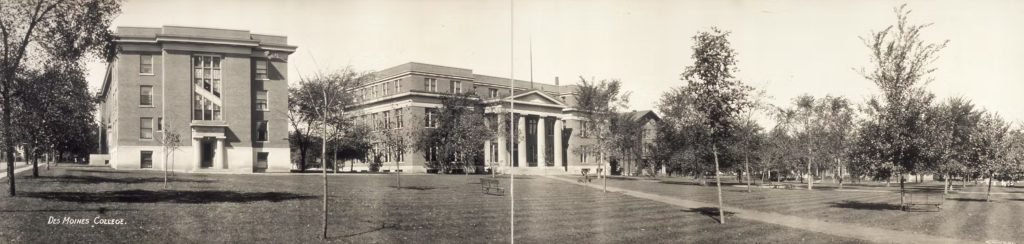
North Des Moines was incorporated in 1880 during a period when Des Moines was beginning to expand beyond its original central city. Known as “The Big Suburb,” North Des Moines played a leading role in the suburbanization of Des Moines and influenced metropolitan politics more than any of the city’s other early suburbs. The area developed during a period of rapid platting, real estate speculation, streetcar expansion, and single-family residential construction. North Des Moines was annexed into the City of Des Moines in 1890, but like many early suburbs, it retained a distinct identity long after annexation.
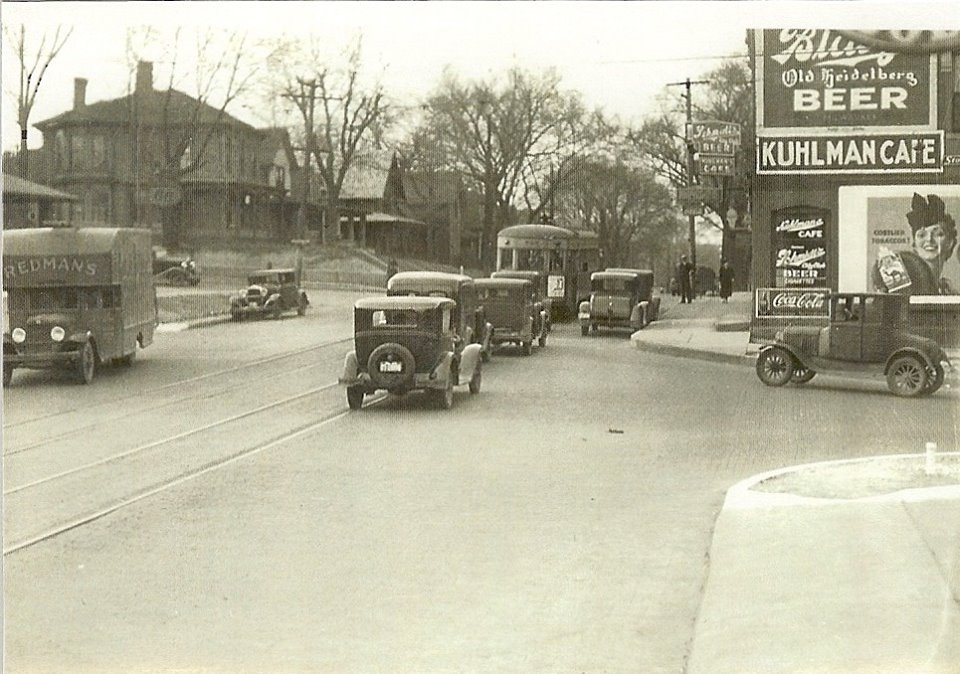
The neighborhood’s physical development was closely tied to transportation and topography. The historic North Des Moines area sat along a ridge above the Des Moines River valley, with land sloping east toward the river and north toward the floodplain. This terrain influenced where people built, how streets developed, and where different types of housing and commerce emerged. Developers and property owners generally preferred higher ground and scenic areas, while lower-lying and sloped areas attracted different patterns of investment. Within this landscape, 6th Avenue, 2nd Avenue, and 9th Street became important transportation corridors, with 6th Avenue and 2nd Avenue especially significant because they bridged the Des Moines River and connected the neighborhood to Downtown and points north.
By the late nineteenth and early twentieth centuries, River Bend and the surrounding North Des Moines area had become a dense urban neighborhood with a remarkable collection of Victorian-era homes, double houses, apartment buildings, churches, corner stores, and streetcar-oriented commercial nodes. The area’s historic building stock remains one of its defining features. Present-day River Bend contains the largest concentration of Victorian dwellings in Des Moines, and a series of National Register nominations in the 1990s helped document and protect many of these resources.
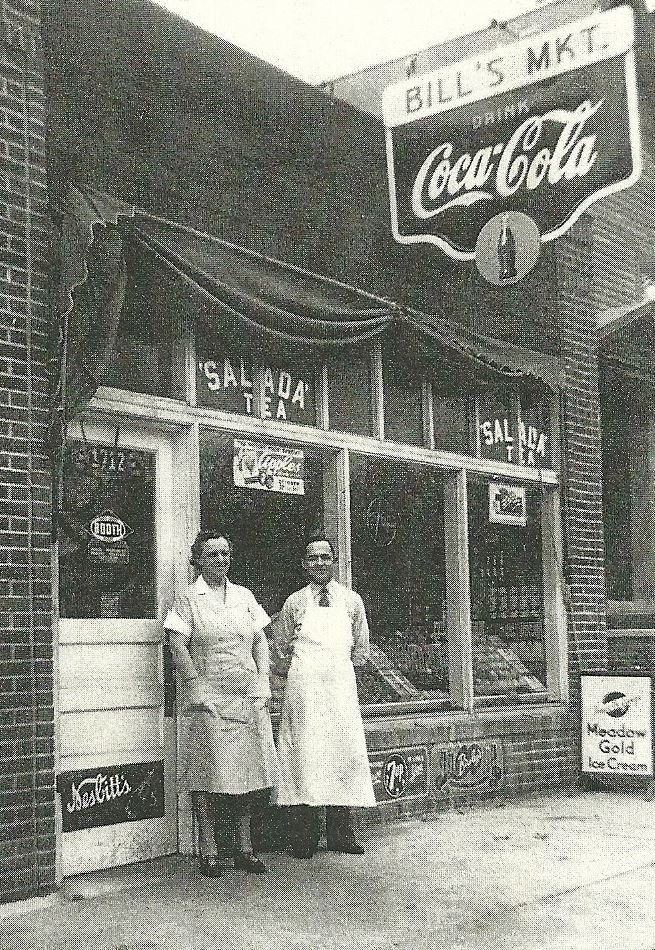
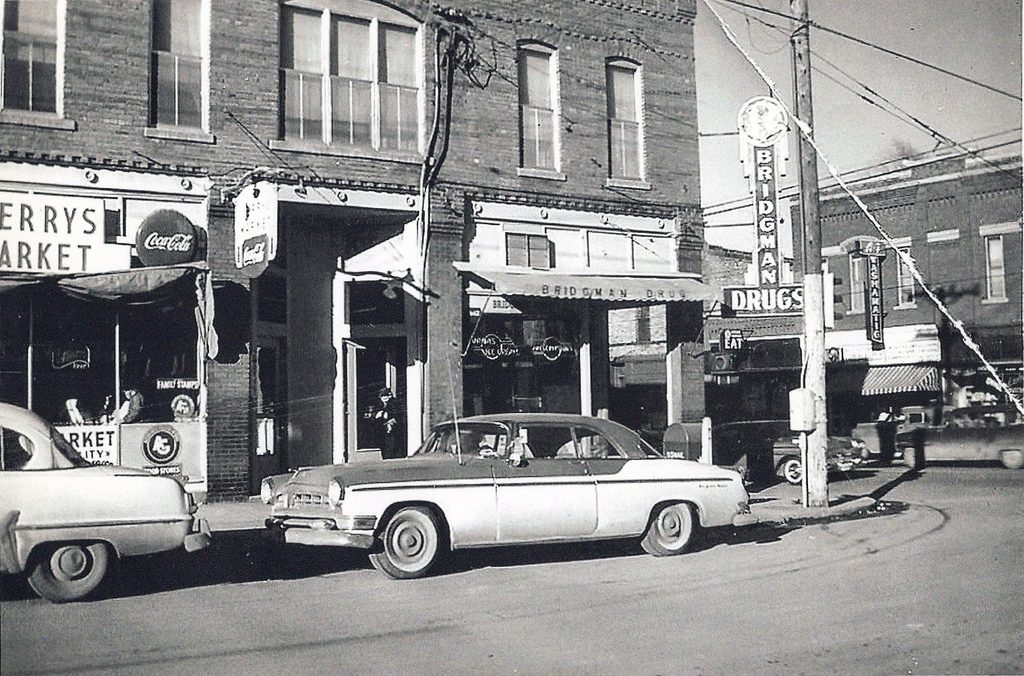
The neighborhood’s commercial life was also closely connected to 6th Avenue. The Sixth and Forest Historic District, located at one of the neighborhood’s important historic intersections, developed as a Victorian-era suburban commercial district in part because 6th Avenue was a major streetcar line and Forest Avenue was an important east-west route. That transportation access supported higher-density housing, churches, fraternal organizations, and first-floor commercial uses with residential space above, creating the kind of mixed-use neighborhood pattern that many communities are now trying to recover.
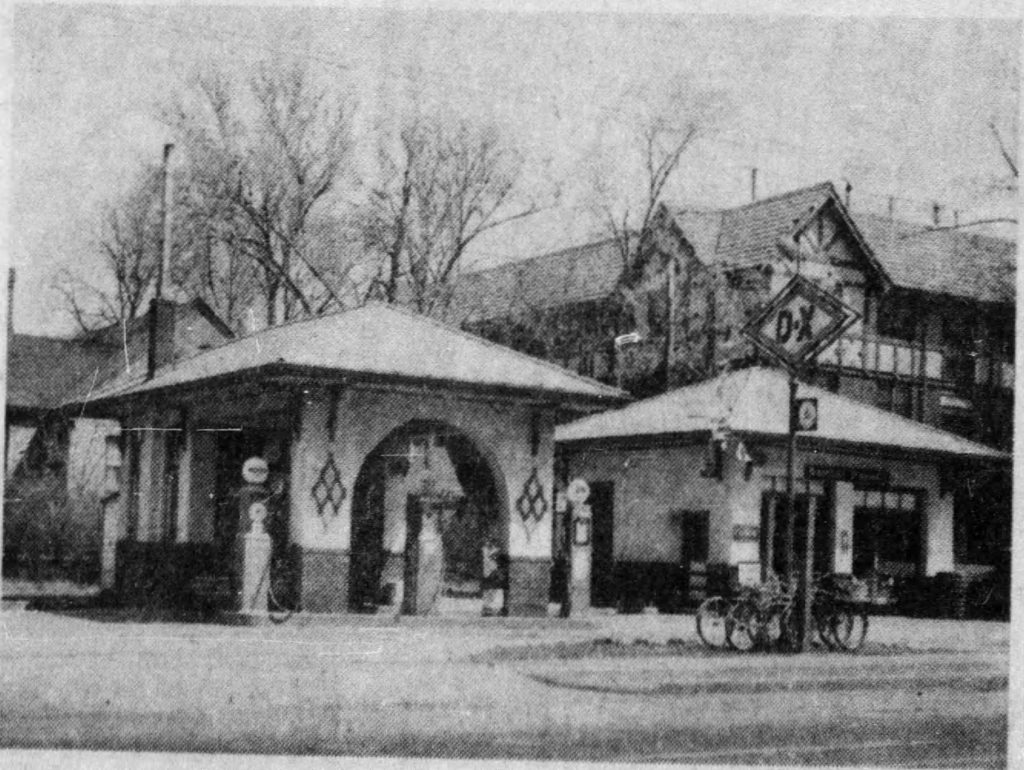
Like many older urban neighborhoods across the United States, River Bend’s story shifted dramatically after World War II. Suburban expansion, highway construction, changing retail patterns, disinvestment, and discriminatory lending practices all affected older neighborhoods near the urban core. Redlining and related lending discrimination made it harder for residents in many central-city neighborhoods to obtain mortgages, home improvement loans, and insurance, which contributed to long-term gaps in homeownership, property maintenance, and neighborhood wealth. In Des Moines, historically redlined neighborhoods have continued to experience economic instability, lower homeownership, and higher food insecurity generations later.
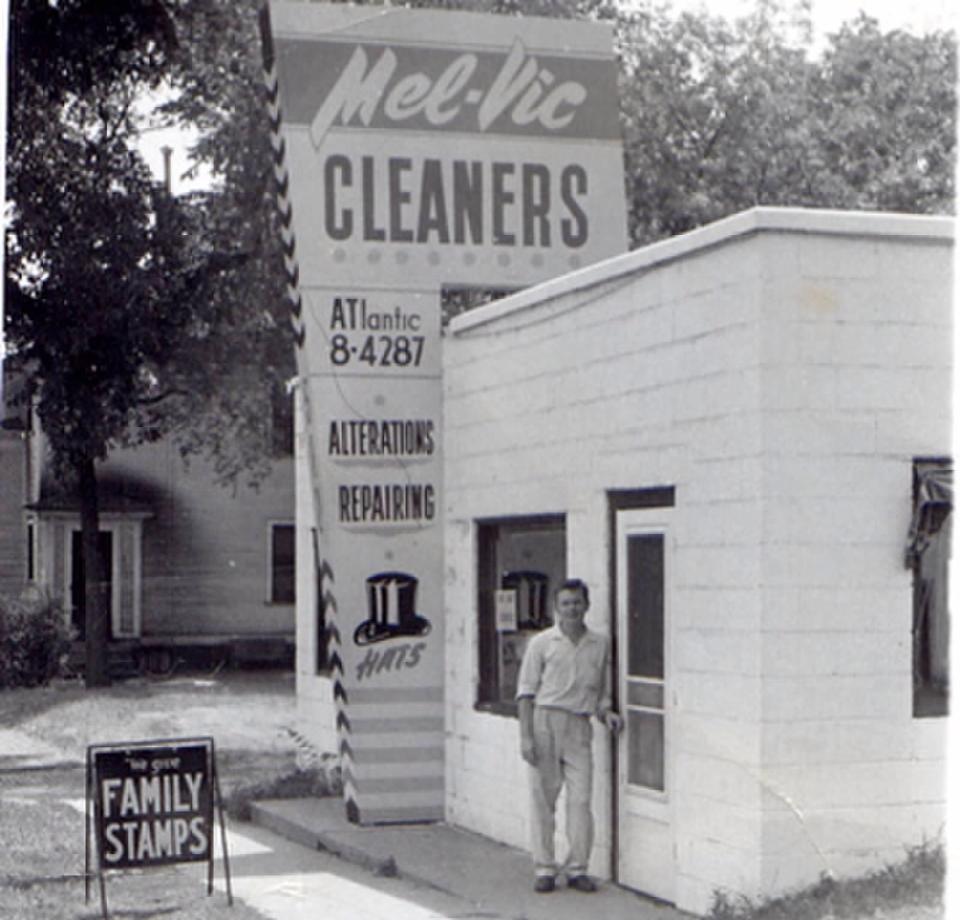
Urban renewal and infrastructure decisions also reshaped the near north side of Des Moines. Freeway construction and clearance projects disrupted older neighborhoods and commercial districts, most notably the Center Street business district, which was once a major center of Black business, culture, and community life. Later redevelopment efforts along 6th Avenue have explicitly referenced that lost history, including the Center at Sixth project, whose name nods to the former Center Street business district.
River Bend was not erased by these forces, but it was deeply affected by them. Older housing aged. Some properties suffered from neglect or absentee ownership. Commercial corridors lost regional market strength as retail followed suburban growth. Public and private investment became uneven. At the same time, the neighborhood remained home to residents, churches, small businesses, schools, parks, and civic institutions. Its history is not simply a story of decline. It is also a story of persistence, local identity, and residents organizing to protect a place that still mattered.
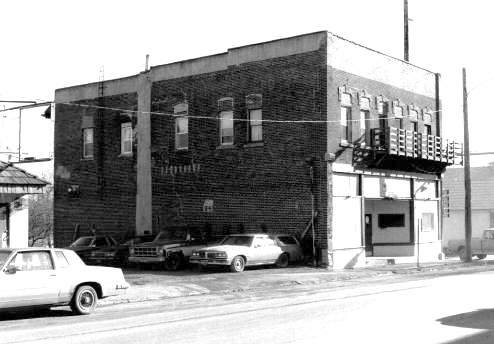
That organizing became especially important in the late twentieth century. The River Bend Association, an organization of concerned residents, worked alongside the City of Des Moines, the Neighborhood Finance Corporation, preservation advocates, and other partners to support neighborhood revitalization. In 1997, the National Trust for Historic Preservation selected River Bend as one of six neighborhoods in the country to participate in its Community Partners Program, and National Register nominations became part of the neighborhood’s broader revitalization strategy.
The association’s work reflected a larger neighborhood movement: residents refused to let River Bend be defined only by vacancy, disinvestment, or outside perceptions. They organized around historic preservation, housing rehabilitation, neighborhood identity, and corridor revitalization. The historic surveys and National Register nominations were not just technical preservation exercises. They were tools for reclaiming the neighborhood’s value and documenting the importance of buildings and blocks that might otherwise have been overlooked. That work was supported by the River Bend Neighborhood Association and its historical committee, with later phases funded through public preservation and community development resources.
Today, River Bend’s history continues to shape its future. Grassroots and community-based economic development efforts along the 6th Avenue Corridor have focused on rebuilding commercial confidence, supporting small businesses, improving the pedestrian environment, and strengthening the corridor as a neighborhood main street. The 6th Avenue Corridor Main Street Program was established in 2009 to focus on commercial revitalization, property redevelopment, and advocacy along a 1.2-mile stretch just north of Downtown. Recent and planned projects, including streetscape improvements, 6th Avenue Flats, and the Center at Sixth, reflect renewed investment in a corridor long shaped by transportation, commerce, and neighborhood identity.
The neighborhood’s future is also tied to the rehabilitation of homes and historic properties. River Bend’s Victorian houses, double houses, apartment buildings, and mixed-use commercial buildings are not simply remnants of the past. They are assets that support affordability, architectural character, cultural memory, and neighborhood identity. Their preservation and rehabilitation connect present-day reinvestment to the neighborhood’s origins as North Des Moines, one of the places where Des Moines first learned how to grow beyond its original boundaries.
River Bend’s history is ultimately a story of cycles: early suburban ambition, streetcar-era growth, annexation, disinvestment, disruption, preservation, and grassroots renewal. Its residents and partners have repeatedly found ways to turn historic identity into a tool for reinvestment. That makes River Bend not only one of Des Moines’ oldest neighborhoods, but also one of its most instructive examples of how history, equity, preservation, and economic development intersect.
River Bend is a vibrant and diverse neighborhood shaped not only by its historic homes and institutions, but also by the people who continue to build community here. The River Bend Neighborhood Association meets monthly and brings neighbors together through its annual home tour, neighborhood gatherings and seasonal activities, including a holiday lights competition. The association also serves as an advocate for the neighborhood, sharing information, connecting residents with resources and working with public agencies and community partners to address local needs. These efforts carry forward River Bend’s long tradition of resident leadership while creating new opportunities for neighbors of different backgrounds, experiences and generations to know one another and help shape the neighborhood’s future.
Much of the early neighborhood history, historic building context, and preservation background summarized here is drawn from the National Register of Historic Places Multiple Property Documentation Form for the Towards a Greater Des Moines: Early Suburbanization and Development, circa 1880-circa 1920 context, including the North Des Moines and River Bend-related documentation.